Why Australia's Start-Up Scene is Revolutionizing Smart Living Spaces
Australia's Start-Up Scene
The Rise of Innovative Hubs
Brisbane's tech ecosystem has burgeoned with the exciting atmosphere of innovation workshops at The Precinct in Fortitude Valley. As a technology integration specialist deeply involved in the scene, I often see how these hubs foster collaboration, pushing the boundaries of smart tech and innovation. A visit to the River City Labs tech hub reveals a vibrant start-up landscape driven by a passion for tech solutions that cater to modern living spaces. This dynamic environment nurtures start-ups focusing on seamless, tech-based enhancements to household experiences.
Key Features of Emerging Start-Ups
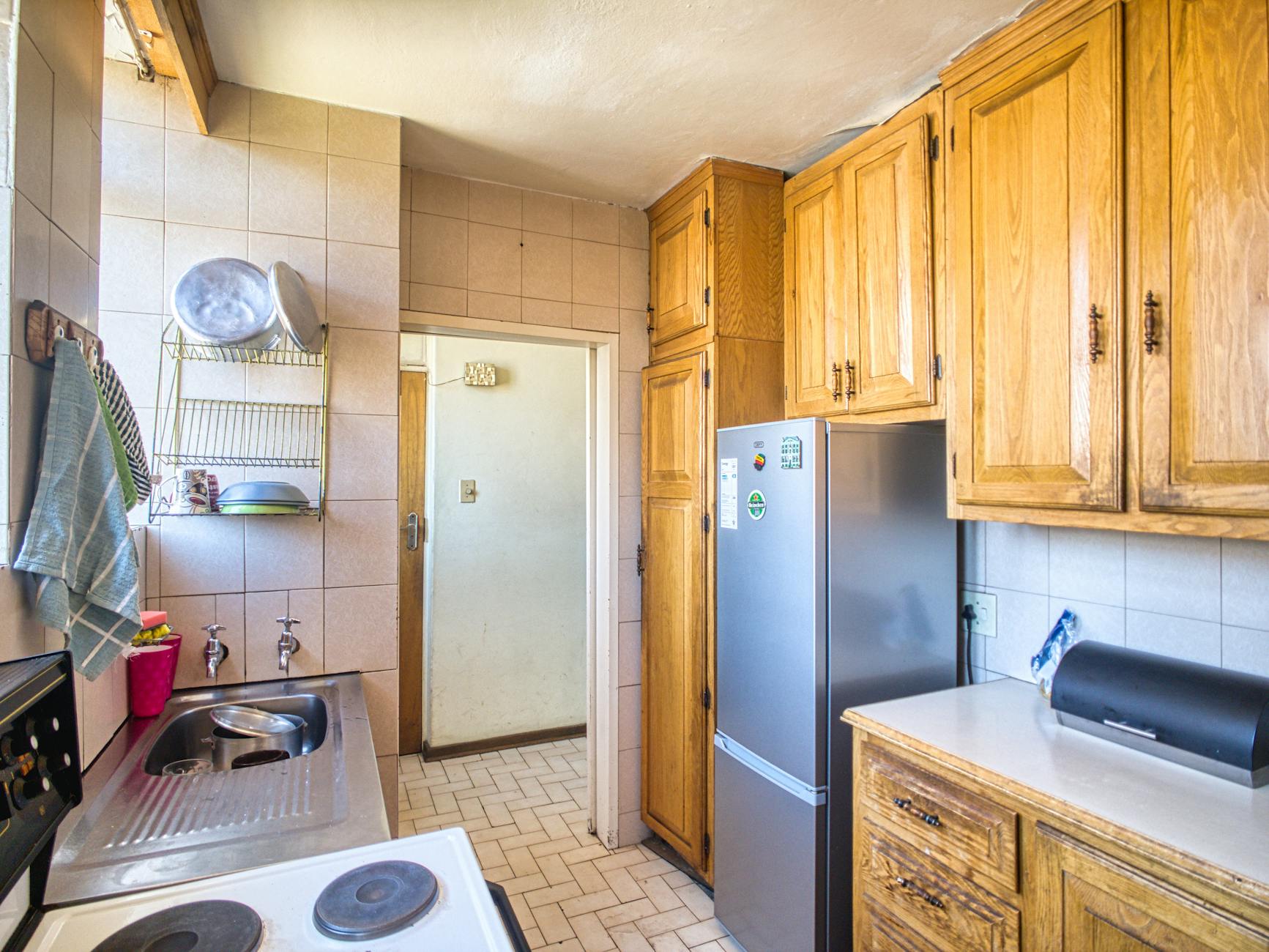
In Brisbane's thriving start-up scene at Fishburners, ingenuity thrives. These innovative companies embrace a forward-thinking approach, creating products that offer sleek and efficient solutions for everyday challenges. Think of a samsung television that not only offers stunning visuals but integrates seamlessly with other smart devices. Or consider mini fridge designs that prioritize compactness and efficiency, often spotted in the first prototypes emerging from these start-ups. By focusing on user-centric design, these companies deliver appliances that resonate with both functionality and aesthetic appeal.
Impact on the Smart Living Sector
Emerging start-ups significantly influence Australia’s smart living sector by blending technology and design. Products like bar fridges are no longer merely about cooling beverages; they embody smart, space-saving innovations complementing modern interiors. Start-ups are reshaping how we interact with appliances, offering insights into a future where smart living is intuitive and responsive. This approach supports a lifestyle where appliances not only meet needs but enhance daily experiences.
Smart Living Spaces Explained
What Are Smart Living Spaces?
As a technology integration specialist here in the heart of Brisbane, I am excited to see our smart technology revolutionising how we live. Smart living spaces incorporate devices and systems that streamline everyday tasks, enhance security, and provide entertainment in a seamless manner. These spaces typically include devices like a smart TV or induction cooktops, allowing for a personalised, interconnected home experience. It's all about convenience and control at your fingertips, whether it's adjusting the lighting for a photoshoot in your apartment or scheduling your appliances remotely.
Benefits for Modern Lifestyles
Smart living spaces cater beautifully to the busy, modern lifestyle, offering increased efficiency and comfort. The ability to control multiple home devices through smartphone apps or voice commands means you can focus more on your passion projects. For example, running a smart TV system for entertainment while editing photos on your workstation ensures distraction-free multitasking. These spaces can also monitor energy consumption in real time, which is particularly useful for those seeking eco-friendly living solutions in our vibrant start-up community, such as those you might find at the innovation workshops at The Precinct in Fortitude Valley.
Emerging Trends in Smart Homes
Trends within smart homes are evolving rapidly, and Brisbane is buzzing with innovations. Developers are focusing on aesthetics to ensure technology complements stylish and creative environments. Meanwhile, investors are heavily backing startups that offer integrated solutions designed to make city living more efficient and visually appealing. As someone embedded in the tech ecosystem, I’m always keeping an eye out for products that balance utility with urban elegance, turning homes into immersive smart ecosystems without compromising on design.
Revolutionary Products and Ideas
Integrating Aesthetics and Functionality
In today's tech-driven lifestyle, the integration of aesthetics and functionality is a game-changer. As a technology integration specialist in Brisbane, I'm fascinated by how smart home products are evolving to cater to the needs of tech-savvy individuals and creatives alike. Take, for instance, modern clothes dryer designs that not only streamline energy efficiency but also add a touch of sleekness that suits any stylistically driven space. This dual emphasis is incredibly relevant for those embedded in creative fields who value both form and performance.
When tech enthusiasts gather at events like the innovation workshops at The Precinct in Fortitude Valley, they often explore products that transcend traditional designs. Such gatherings offer a glimpse into the future of homeware aesthetics—think minimalist designs coupled with intuitive technology that anticipates user needs.
For instance, new compact dryers exemplify how functionality aligns with visual appeal. These innovations are inspirations to tech professionals and investors seeking elegantly functional solutions. They effortlessly transition from utility to décor, meeting the balance between efficiency and creativity.
By infusing technology into everyday living spaces without compromising style, these products are paving the way forward. This trend isn't just reshaping how residents like you choose appliances; it's transforming entire living environments into personalized tech havens that resonate with Brisbane's vibrant start-up scene at Fishburners.
Challenges in Adoption
Overcoming Consumer Hesitation
In the dynamic realm I've witnessed in Brisbane, particularly within tech-savvy communities at places like Fishburners, the hesitation to embrace new technology is an intriguing challenge. Many potential users, even those in progressive cities, remain wary due to uncertainties surrounding smart technology adoption. One prominent concern is the perceived complexity of operating devices like bosch dishwasher and other high-tech home solutions. People tend to worry about usability and the steep learning curve associated with unfamiliar technology. To address these concerns, I often recommend comprehensive onboarding experiences that demystify these gadgets through interactive demonstrations and detailed user guides.
Balancing Aesthetics and Technology
Navigating the balance between aesthetics and functionality is crucial. Aesthetic appeal is a significant factor for consumers like Dominic, who value how a product syncs with their creative living environments. This is especially true for products like chest freezers, which historically have not been considered aesthetic must-haves. To achieve harmony, manufacturers should focus on sleek designs and adaptable finishes, ensuring that technology complements rather than clashes with home decor. It's about creating devices that integrate seamlessly into various lifestyle settings, serving both practical and stylistic purposes.
Ensuring Product Reliability
Finally, guaranteeing the reliability of smart products is essential for fostering consumer confidence. At innovation workshops at The Precinct, the emphasis on product durability and consistent performance has been paramount. Companies must prioritize quality control and robust customer support to avoid frequent repairs or replacements. Offering hassle-free warranties and responsive service can significantly impact the perception of reliability, encouraging more individuals to transition into smart living solutions.
FAQs about Smart Living
Addressing Misconceptions
As we delve into the vibrant realm of smart living, it's crucial to demystify common misconceptions. Many tech enthusiasts express concerns about privacy and data security. However, advancements at Brisbane's River City Labs tech hub focus on developing robust encryption protocols and enhancing safeguards to protect user information. Another misconception is the perceived complexity of smart systems. Yet, today's innovative solutions harness intuitive interfaces, making them user-friendly even for those less technologically inclined. These advancements are frequently showcased during innovation workshops at The Precinct in Fortitude Valley, further bridging the gap between tech skepticism and smart adoption.
Tips for Choosing the Right Products
Selecting the right smart living products is paramount for creating an efficient and cohesive environment. Consider solutions that not only address your specific needs but also integrate seamlessly with existing technology. For instance, investing in a smart thermostat can optimise energy use while reducing costs. At Fishburners, a hub for Brisbane's vibrant start-up scene, you'll find cutting-edge devices and eco-friendly systems that resonate with local innovations. Additionally, ensure the products are scalable, allowing for future upgrades without major overhauls. Lastly, reflect on the support ecosystem and community insights offered by platforms such as Brisbane's tech meetups, where you can gain perspectives from fellow innovators.